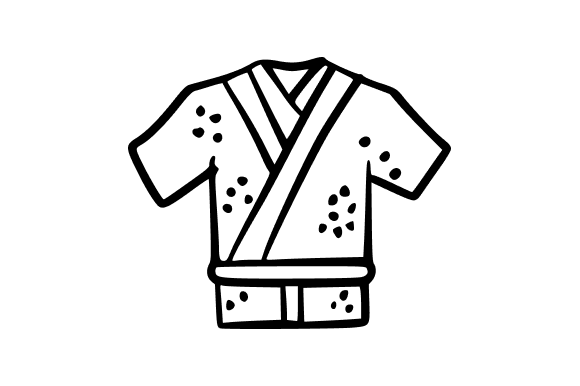
Outline Traditional Japanese Kimono
As a designer and embroidery product reviewer, I often find myself evaluating designs not just for their visual appeal but for how they translate into real-world projects. The Outline Traditional Japanese Kimono is one such design that promises cultural inspiration but requires careful consideration before use.
First Impressions: A Design Rooted in Tradition
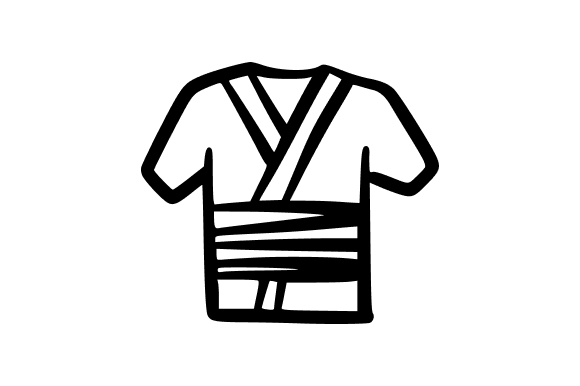
The Outline Traditional Japanese Kimono immediately conveys a sense of elegance and historical significance. Its clean lines and minimalist approach make it ideal for embroidery projects that aim to capture the essence of traditional Japanese aesthetics without overwhelming the viewer. The layout is balanced, with a clear focal point that suggests a central motif, likely representing the kimono’s flowing silhouette or decorative elements.
The design’s simplicity makes it versatile, but it also demands attention to detail. It’s not a complex pattern with intricate patterns or multiple color layers—it’s more about form and structure. This makes it perfect for machine embroidery design projects where clarity and precision are key.
Real-World Embroidery Performance
When considering the Outline Traditional Japanese Kimono for real-life embroidery, its performance depends heavily on the project type. For custom apparel like sweatshirts, tote bags, or embroidered patches, the design can add a subtle yet meaningful touch. However, it may not be the best choice for items that require high visibility or bold statements.
For baby embroidery or nursery decor, the design could work well as a gentle, artistic element. But for holiday embroidery or wedding gifts, it might feel too understated unless paired with other embellishments.
The design’s stitch density is another factor. If it’s too light, it may not hold up on textured or stretchy fabrics. If it’s too dense, it could cause fabric puckering or thread breakage. Testing on scrap fabric is always a good idea before committing to a larger project.
Where to Use Carefully
The Outline Traditional Japanese Kimono isn’t suited for every embroidery scenario. On small hoop sizes, the design may appear cramped or distorted. For curved surfaces like caps or hats, the outline may not follow the shape smoothly, leading to an uneven look.
On thin or stretchy fabrics, the design could lose definition. Dark fabrics might also pose a challenge if the thread colors don’t contrast enough. In such cases, a white or light-colored thread might be necessary to ensure visibility.
If the design includes detailed corners or tiny lettering, it could be problematic for applique design or satin stitch applications. Similarly, if it’s intended for frequent washing, the stitching may wear out faster than expected.
Impact on Visual Appeal and Customer Perception
When used correctly, the Outline Traditional Japanese Kimono can elevate the visual appeal of any handmade product or personalized gift. Its clean, structured form adds a professional touch that can enhance brand consistency for small businesses or Etsy sellers.
However, if the design doesn’t translate well to the chosen fabric or project, it could lead to customer dissatisfaction. Ensuring that the finished product looks as intended is crucial for maintaining customer trust and buyer engagement.
For commercial embroidery or digital product previews, the design should be tested in both black and white mockups and full-color versions. This helps determine how it will appear on different backgrounds and under various lighting conditions.
Practical Designer Notes
Before using the Outline Traditional Japanese Kimono in your next embroidery project, here are some practical steps to take:
- Test on scrap fabric to see how the design behaves on your intended material.
- Check thread color contrast to ensure visibility on different fabric types.
- Review stitch density to avoid overworking the fabric or causing distortion.
- Confirm hoop size to ensure the design fits comfortably without being stretched or compressed.
- Inspect small details for accuracy, especially if the design includes delicate elements.
- Test in black and white mockups to see how it appears without color.
- Compare light and dark fabric backgrounds to determine the best presentation.
- Use proper stabilizer to prevent puckering or shifting during stitching.
- Verify licensing if you plan to sell finished items or digital products.
These steps help ensure that the Outline Traditional Japanese Kimono not only looks good but also performs well in real-world scenarios.
Conclusion: A Thoughtful Addition to Your Design Toolkit
The Outline Traditional Japanese Kimono is a design that requires thoughtful application. While it offers a refined, culturally inspired aesthetic, it’s not a one-size-fits-all solution. It thrives in projects that value subtlety, clarity, and tradition—especially when paired with the right materials and techniques.
For craft business owners, apparel decorators, and creative entrepreneurs, this design can be a valuable addition to your design assets if used with care. It has the potential to enhance small shop merchandise, printable mockups, and custom apparel when executed properly.
Ultimately, the success of the Outline Traditional Japanese Kimono depends on how well it aligns with your project goals, materials, and audience expectations. With the right approach, it can become a standout feature in your next embroidery file or handmade product.